Palermo street food tour from the cruise port: walking routes and timings
Can you take a Palermo street food tour from the cruise port? Walking routes, market stops, typical timings, food ideas and how to get back to the ship on time.
Yes, you can walk from Palermo’s cruise port straight into a street food tour. The terminal sits on the edge of the old town, about 15 minutes on foot from Teatro Massimo, with Capo market five minutes beyond it. A food walk of two and a half to three and a half hours fits most port calls; a four- to five-hour route adds Ballarò. Plan every route backwards from your ship’s all-aboard time, not the sailing time.
For a guided version that starts at the ship, the Palermo: Street Food and History Walking Tour offers cruise passengers a 10:00 pickup inside the port, just outside the terminal, if you message the guide, and a later pickup if your ship arrives late. It costs $56 on GetYourGuide, rated 4.8 from 1,740+ reviews, the most-reviewed tour on this site. In three hours you get Porta Carini and an hour at Capo, then the Cathedral and the Quattro Canti, with five tastings, a cannolo and one drink. Port drop-off isn’t included; the finish is about 20 minutes’ walk from the port, next to a taxi rank. Read our breakdown.
Check Availability
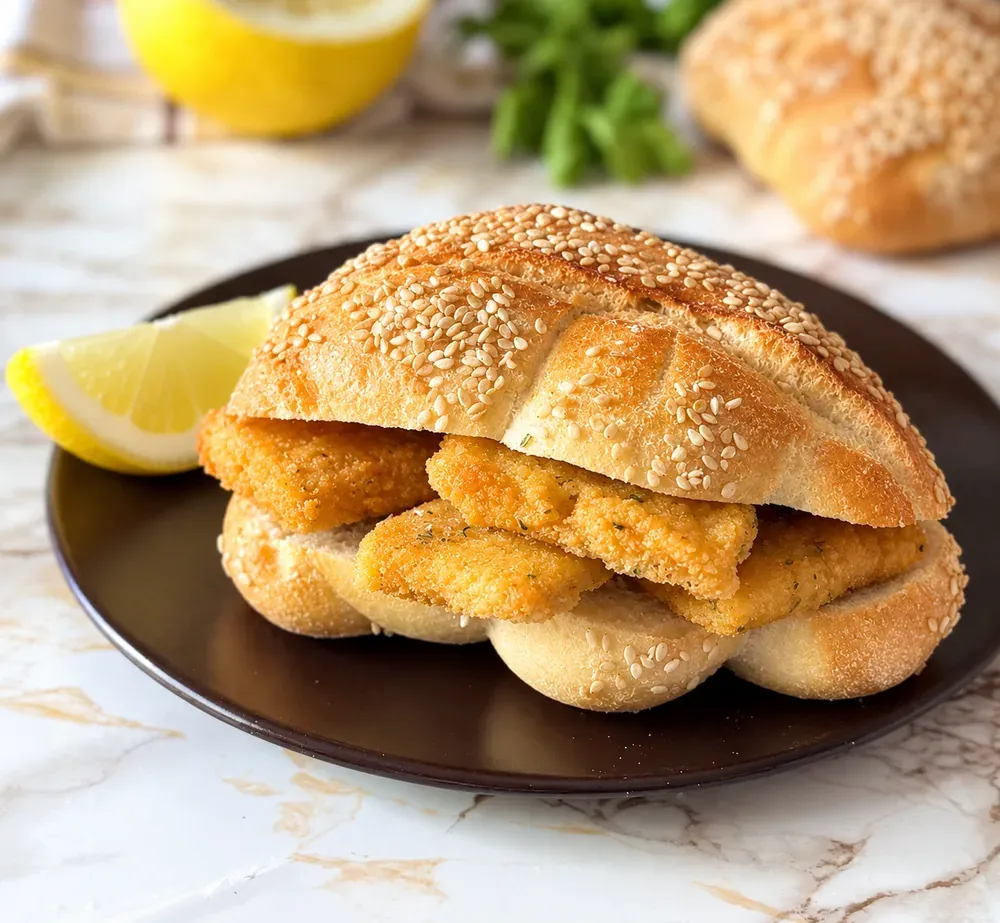
You don’t need a long coach ride into the countryside to taste Sicily. Markets, bakeries and takeaway counters sit between the churches and squares of the historic centre, a short walk from the ship. You need to know how much time you have between leaving the ship and the all-aboard deadline. A well-planned three-hour walk gives you a taste of the city without rushing; a longer call leaves room for a full market visit and more sightseeing.
This guide covers the walk from the Palermo cruise terminal (Stazione Marittima) to the old town, which market to choose, what to eat and how a guided tour compares with a self-guided walk. Each route has clear turning points, flexible stops and time set aside for the walk back.
Quick answer: Most cruise ships berth around Molo Vittorio Veneto, on the edge of central Palermo. Teatro Massimo’s official visitor page puts the theatre about 15 minutes’ walk from the harbour, Capo five minutes from the theatre and the Quattro Canti ten. Allow about 30 minutes or more for a direct walk to Ballarò, depending on your berth, exit and pace. A short food walk of about 2.5–3.5 hours suits most calls; a 4–5-hour route can include a second market. Treat these as planning estimates for any ship. Always plan against your cruise line’s all-aboard time, which comes before the published sailing time.
Can you walk from Palermo cruise port to the city centre?
Usually, yes. Palermo is one of the easier Mediterranean ports for an independent food walk because the central sights are close to the harbour. The Port Authority of the Western Sicilian Sea describes Palermo as a city that grew around its port, with the waterfront leading straight into a large historic centre.
The main passenger building is the Palermo cruise terminal, or Stazione Marittima, on Molo Vittorio Veneto. Your ship can berth elsewhere in the port, though, and the gate you leave by may not match the pin on a general map. Some berths use internal port transport. Follow your cruise line’s and the port staff’s instructions on the day, and don’t walk through restricted quay areas.
Approximate walking times from the cruise terminal area
| Destination | Approximate walking time | Why visit? |
|---|---|---|
| Teatro Massimo | About 15 minutes; up to 25 from a far berth | A landmark you can’t miss, next to Capo market |
| Capo market / Porta Carini | About 20 minutes; up to 30 | A classic morning market with takeaway snacks |
| Quattro Canti | 15–20 minutes; up to 30 | The central crossroads and an easy meeting-point reference |
| Vucciria / Piazza Caracciolo | 15–25 minutes | Historic market lanes, busiest in the evening |
| Palermo Cathedral | 25–40 minutes | Historic architecture near the old-town food streets |
| Ballarò market | 30–45 minutes | A large traditional market, best in the morning |
These are rough planning ranges and aren’t live directions or guaranteed times. The walk from the gangway, through port security and out to the public road can add time. If someone in your group has limited mobility, you’re pushing a buggy or you stop for photos, allow longer.
The most reliable figures come from Teatro Massimo’s own getting-here page: the theatre is about 15 minutes from the harbour, five minutes from Capo market and ten minutes from the Quattro Canti. Your exact time depends on the route and where you start.
Important: if your ship gives you a pedestrian exit, a shuttle point or a terminal map, use that over any generic online walking route.
Which Palermo street food market is best for cruise passengers?
Palermo has several historic markets, and they aren’t interchangeable. With a fixed return time, pick the market that fits your arrival and your route, and don’t try to tick off all of them.
| Market | Best reason to visit | How it fits a daytime port call | What to keep in mind |
|---|---|---|---|
| Capo | Food stalls, narrow market lanes, next to Teatro Massimo | A strong choice for a shorter loop through the old town | Morning is best for fresh-market activity |
| Ballarò | The biggest traditional market | Excellent with a longer call and time to walk further inland | Go in the morning; allow a longer walk back |
| Vucciria | Old market streets, food counters and a different neighbourhood | A handy optional stop on the way back to the port | It is no longer a busy daytime produce market, and its nightlife won’t matter on a daytime call |
Capo market: an efficient first food stop
Capo is the practical choice if you want sightseeing and street food without walking deep into the old town. It sits by Porta Carini and Teatro Massimo, in the old Seralcadio quarter. Palermo’s tourism office describes market streets around Via Carini, Via Beati Paoli, Via Sant’Agostino and Via Cappuccinelle, with traders selling local specialities such as sfincione, pane con panelle and crocchè.
The municipality lists Capo as open every day, morning and afternoon, but gives no single opening and closing time for its vendors. On a cruise day that matters: an open market area doesn’t mean your chosen stall is working at 3 p.m. on a Sunday.
For a classic market visit, go in the morning. The streets are free to enter and easy to browse on your own.
Our Capo market visitor guide has food suggestions, entrances and market tips.
Ballarò market: best for a longer food stop
If you have time to go further, Ballarò is one of Palermo’s most rewarding food stops. It runs through the Albergheria district, roughly from Piazza Casa Professa towards Corso Tukory, and the city’s tourism portal calls it Palermo’s oldest and largest historic market.
The published hours are Monday to Saturday, 07:30–20:00, with Sunday trading mainly in the morning. Those are market-wide hours; plenty of individual sellers close well before 8 p.m. On a cruise call, arrive in the morning or late morning, while the market is still in full swing.
Choose Ballarò if eating, hearing the vendors’ calls and browsing produce matter more to you than fitting in landmarks. You can try a couple of freshly made snacks, see the neighbourhood and still have time for the walk back, as long as you plan that return first.
For details, see our Ballarò market guide with opening hours, the best street food and visitor tips.
Vucciria: a convenient extra stop, with different expectations
The Vucciria lies on many routes between the waterfront and the old town, around Piazza Caracciolo and Via Argenteria. It was once a major food market; today its daytime trade is small, and parts of the district are better known for evening food, drinks and nightlife.
The city’s tourism office lists it as open daily, morning and afternoon, with no hours for individual stalls. If your ship sails in the afternoon, treat it as an optional walk through a historic neighbourhood. It won’t replace the busy food-market atmosphere of Ballarò or Capo.
Our Vucciria market guide compares a daytime visit with a night-time one.
Route 1: short Palermo cruise port food walk (about 2.5–3.5 hours)
Best for: a shorter port call, anyone who wants a taste of Palermo without a long excursion, and passengers who prefer several small food stops to a full sightseeing schedule.
Route: cruise terminal → Teatro Massimo → Capo market → Quattro Canti and Piazza Pretoria → optional Vucciria → port.
This route stays inside the compact historic centre and gives you several chances to turn back early if your ship’s schedule changes. It’s also easy to shorten: drop the Vucciria or spend less time at the market.
Stop 1: walk from the port to Teatro Massimo
Allow: about 15 minutes from the terminal area, up to 25 from a far berth.
After the port exit, follow walking directions to Piazza Giuseppe Verdi, where Teatro Massimo stands. Depending on your exit, the route runs along Via Francesco Crispi, Via Cavour or nearby streets.
The theatre makes a good reference point because it sits between the harbour side of the city and Capo market. You can admire the outside without buying a ticket or joining an interior tour.
Port-day tip: in hot weather, buy water early. If a guided tour starts at the theatre, find the exact meeting point before you take photos; several groups often gather on the big square at once.
Stop 2: browse and eat at Capo market
Allow: 40–60 minutes.
From Teatro Massimo, walk to Porta Carini, one of Capo’s main entrances. This is where the walk turns into a food walk. Look for stalls and counters frying panelle and crocchè or selling sfincione and other local snacks.
You don’t need a full lunch from the first stall. Buy one or two things at a time, eat as you walk and leave room for something sweet later. Ask what has just been cooked, and check prices before you order.
The market is also where residents shop. Give them space, don’t block narrow lanes with a big group, and ask before photographing a vendor up close.
Best first order: a small roll of panelle and crocchè, if they’re frying. It’s a true Palermo classic and won’t eat up your food time.
Stop 3: Quattro Canti and Piazza Pretoria
Allow: 20–30 minutes for the walk and short stops.
Carry on through the centre to the Quattro Canti, the ornate crossroads where Via Maqueda meets Corso Vittorio Emanuele. Piazza Pretoria, around the corner, is worth a short detour for its elaborate fountain.
These squares are the sightseeing part of your food walk. Spend ten minutes on the architecture and move on; there’s no need to queue for an indoor monument if tasting Palermo is the point.
If you’re hungry again, pick a bakery, arancina counter or gelateria that you can see is open, and don’t rely on a named shop’s old opening hours.
Stop 4: optional Vucciria detour
Allow: 20–35 minutes, plus any extra walking.
If you have time, walk to Piazza Caracciolo to see part of the Vucciria. Expect a historic market neighbourhood with a small daytime food scene. Some eateries will be open and some lanes will be quiet.
If Capo already filled you up and you’re watching the clock, skip it. Nobody judges a port day by how many markets you photographed.
Stop 5: back to the cruise terminal
Use a live walking map and your port entry instructions to get back. Don’t leave it to the last minute: the stretch from the port gate to the gangway can take longer than the map suggests.
Aim to be back at the terminal area 45 to 60 minutes before your all-aboard time, and earlier if you don’t know the port, have children with you, use a mobility aid or depend on a shuttle. That margin is our suggestion; your cruise line sets the rule. Follow any stricter instructions from your ship.
Route 2: longer cruise-day food walk with Ballarò (about 4–5 hours)
Best for: food lovers with a long port call who want Palermo’s best-known working market and some landmarks on the way.
Route: cruise terminal → Teatro Massimo → Capo market (short stop) → Quattro Canti → Piazza Bellini → Ballarò market → Vucciria area (optional) → terminal.
This route means more walking and more time away from the port. It works best when you’re ashore early enough to catch the markets in the morning and still have a big buffer before all aboard.
Suggested sequence
- Teatro Massimo: walk in from the port, get your bearings and take a few photos.
- Capo market: browse briefly and try one small savoury snack.
- Quattro Canti: walk through the heart of the historic centre.
- Piazza Bellini and Piazza Pretoria: enjoy the squares and church façades without planning a long visit inside.
- Ballarò market: make this your main tasting stop. Allow 60–90 minutes to explore, eat and take it in.
- Back towards the port: return through the centre. Add the Vucciria only if you have time to spare.
The 4–5 hours assume a comfortable pace, mostly outdoor sightseeing and short food queues. They don’t include a long visit inside the Cathedral, the Palatine Chapel or Teatro Massimo, or a long sit-down meal. Any of those can turn the outing into a full day.
A sample morning schedule
| Time | Activity | Notes |
|---|---|---|
| 9:00 | Leave the terminal area | Example only; not a published arrival or disembarkation time |
| 9:20–9:40 | Teatro Massimo | Outside view and orientation |
| 9:45–10:20 | Capo market | Short browse and first snack |
| 10:35–11:00 | Quattro Canti / Piazza Bellini | Squares and street sightseeing |
| 11:15–12:30 | Ballarò market | Main food stop |
| 12:30–13:15 | Walk back towards the port | Allow for your route and any stops |
| 13:15 onward | Terminal and check-in buffer | Only if your own all-aboard time leaves enough margin |
This is an example sequence, not a promise of how long each stop takes. Adjust it to your ship, the weather, your group’s pace and any street closures. If your all-aboard time is early, skip the longer route.
Route 3: the lowest-stress option, one market and back
For many cruise passengers, one good market beats a complicated plan. Choose Capo for a simple route by Teatro Massimo, or Ballarò if traditional market life is what you came for and you have time for the longer walk.
For a one-market plan:
- Allow time for the walk from the terminal to your market.
- Spend 45–75 minutes browsing and tasting.
- Add one nearby square or landmark and skip the ticketed sights.
- Start back early enough to beat your all-aboard deadline comfortably.
This plan suits passengers who get ashore late in the morning, families with children and anyone who likes a slower pace. It’s also the easiest to change if the weather turns.
What street food should you try during a Palermo port stop?
Palermo’s street food is made for short walks: most of its classic dishes come in small portions you can hold in one hand. The regional tourism board lists panelle, crocchè, arancine, sfincione, pani câ meusa (the spleen sandwich), grilled offal and seafood snacks as the core of the city’s street food.
These are the foods to look for on a cruise-port walk.
1. Panelle: chickpea fritters
Panelle are thin, golden fritters of chickpea flour, water and seasoning, usually eaten in a roll. They’re a good first choice: you won’t find them outside Palermo, they’re easy to eat on the move and they’re usually sold with crocchè.
If you’re vegetarian, ask about shared frying oil, toppings and the roll before assuming the whole serving suits your diet.
2. Crocchè (cazzilli): potato croquettes
These fried potato croquettes are panelle’s natural partner. In Palermo, pane con panelle e crocchè is a much-loved combination. A small portion works well if you plan to try other dishes later.
Ingredients and cooking methods vary, so ask if you have allergies or a strict diet.
3. Arancine: stuffed rice balls
Arancine are among Sicily’s best-known snacks. Fillings include meat ragù, cheese and other combinations. They’re filling, so sharing one makes sense on a multi-stop food walk.
In Palermo you’ll usually see the feminine plural, arancine. If you’ve already had one, choose something lighter at the next stop.
4. Sfincione: Palermo’s thick, savoury bread
Sfincione is a soft, thick, pizza-like bread usually topped with tomato, onion, breadcrumbs and seasoning. Traditional versions often contain anchovies, cheese or both, so it doesn’t automatically suit vegetarians or anyone avoiding fish or dairy.
A small slice is plenty as a tasting.
5. Pani câ meusa: the spleen sandwich
Palermo’s famous sandwich holds cooked beef spleen and often lung in a soft roll, sometimes with lemon or cheese. It’s a big part of the city’s street food history, but it isn’t for everyone, and you don’t have to try it because a tour calls it iconic.
If you like traditional offal cooking, it may be the most memorable bite of your day.
6. Stigghiola: grilled skewered offal
Stigghiola are grilled intestines, usually lamb or goat, often cooked over charcoal. You’ll see them at Palermo street food stalls, but which stalls have them, and when, varies.
If you’re short on time, don’t spend your port call hunting for one vendor. Eat what’s freshly cooked where you are.
7. Cannoli: crisp shells with ricotta cream
A cannolo is the classic Sicilian dessert. Look for a pastry shop that fills the shell to order, so it stays crisp. It’s a good last stop after savoury street food.
It also gives you a clear finale to the walk without booking a full restaurant lunch.
8. Granita, gelato and seasonal sweets
Depending on the season and what’s open, you may find granita, gelato, cassata or other sweets. A good pastry shop keeps your route flexible when a market stall is closed.
A balanced three-tasting plan: start with panelle and crocchè, share an arancina or a slice of sfincione, and finish with a cannolo. That gives you variety without turning a short walk into an eating contest.
Guided Palermo food tour or self-guided walk: which is better from a cruise ship?
Both can work. Look at the meeting point, the tour length and the ship’s return deadline as well as the list of foods.
| Factor | Self-guided market walk | Guided street food tour |
|---|---|---|
| Schedule | You control the timing and can turn back whenever you need | Fixed start and finish times; sometimes a private departure is possible |
| Food | Choose and pay for your own snacks | Usually a set number of tastings; what’s included varies |
| Local context | You read up on the history and foods yourself | A guide explains the food traditions, streets and markets |
| Flexibility for the return | High, if you watch the time | Depends on the tour length, finish point and any transfer |
| Meeting point | None | You must reach the exact meeting point on time |
| Budget | No tour fee; pay only for food and any transport | The tour price; check exactly what’s included |
| Best fit | Confident independent visitors and uncertain schedules | Travellers who want explanations, chosen stops and organised tastings |
When to book a guided tour
A guided food tour makes most sense if you want to know why Sicilian dishes developed the way they did, how the markets differ and which regional flavours to try without searching stall by stall. It also helps if you like to know in advance how many tastings you’ll get.
For cruise passengers, though, the logistics matter as much as the food. Before you pay, check:
- Exact departure time. A 10:30 a.m. tour is no use if passengers can’t leave the ship until 10:45.
- Exact meeting place. Is it inside the port, outside the terminal or at a central landmark such as the Quattro Canti?
- Total duration. Separate the guided walk from any transfer or the walk back on your own.
- Finish point. A tour that ends in the city centre is not one that returns you to the port.
- Food included. Ask which tastings and drinks are included, how much walking there is and whether the operator can swap foods for dietary needs.
- Cancellation terms. Cruise itineraries change. A flexible cancellation policy can matter more than a small saving.
- Who is responsible for delays. A tour you book yourself won’t come with the return guarantees of a cruise-line excursion.
Don’t assume a tour sold as “Palermo street food” includes a pickup at the ship. Many excellent food walks start in the old town, not at the terminal.
Our pick on GetYourGuide for a cruise day: the Street Food and History Walking Tour, $56, 4.8 from 1,740+ reviews. It’s the one tour on this site with a port pickup, at 10:00 on request, with a later time if your ship is late; you walk back yourself, about 20 minutes, or take a taxi from the rank at the finish. If you’d rather meet in town, the Palermo Original Street Food & Market Tour – All-Inclusive ($78, 4.9 from 610+ reviews) starts in front of Teatro Massimo, about 15 minutes from the harbour, and includes three drinks.
Can you book a private food tour from the port?
Possibly. A private guide may be able to set the start time, choose a shorter market route or meet you nearer the port. Pickups, transfers and route changes depend on the operator; they are not standard.
On GetYourGuide, the Palermo: 2-Hour Small Group Private Walking and Tasting Tour ($102, 4.6 from 11 reviews, a small count) is short enough for most port calls; ask the operator about a meeting point near the terminal before you book.
When comparing tours, ask the operator directly:
Our cruise ship calls at Palermo on [date]. Our all-aboard time is [time]. Can you confirm the exact meeting point, route, tour finish time and whether return transport to the terminal is included?
A clear written reply is a sounder basis for booking than a general claim that a tour is “cruise friendly”.
Compare Palermo street food tours and tastings on our homepage, or use our guide to which Palermo street food tour is right for you.
How much does a Palermo cruise-port food walk cost?
A self-guided food walk can be cheap because the markets and the streets around them are free. Your main cost is the food you buy.
Prices vary with portion size, season and where you eat, and no two market vendors charge the same. Split your budget into categories:
- Market entry: free for Capo and Ballarò, which are public streets; there’s no ticket for a casual visit.
- Snacks: paid one by one. Decide whether you want two substantial foods or several small tastes.
- Drinks: keep a separate allowance, especially in summer.
- Indoor sights: only if you deliberately add a ticketed visit; a food walk doesn’t need one.
- Transport: walking is free. A taxi costs extra, depending on the pickup point, route and traffic.
- Guided tour: check the current price and whether the tastings, drinks, transfers and tips are included. The pickup tour above is $56 a person.
For a short port call you don’t need an expensive full-day shore excursion to enjoy Palermo street food. A guided walk is still worth it if you want structure and someone to explain what you’re eating.
How to make sure you get back to your cruise ship on time
This is the most important part of the plan. Sailing time and all-aboard time are not the same. The ship may need you on board well before it sails. Your cruise line’s daily programme, app and onboard announcements are the final word on the all-aboard deadline.
Work backwards from the all-aboard time
Say your daily programme gives all aboard at 4:30 p.m. Your plan should not read “start walking back at 4:00 because the port is only twenty minutes away.” Allow time for road crossings, finding the right entrance, any port transport, security and the walk to the gangway.
A safer plan is to reach the terminal area at least 45 to 60 minutes before all aboard, earlier if you don’t know the port. A different berth, a late shuttle, a slow walker or busy streets can all break a tight plan.
That margin is our suggestion, not an official rule. If your cruise line asks for an earlier return, follow the cruise line. If your ship is tendering or has unusual transport arrangements, allow a good deal more time.
A simple return-time calculation
Start with your cruise line’s all-aboard time, then subtract:
- Your safety margin before all aboard.
- Your estimated walk or transfer from the last stop to the port entrance.
- Any known port shuttle, security or terminal-to-gangway time.
The result is the latest sensible time to leave the city centre. If that leaves less than an hour for a market, take a shorter route or a quick tasting near the waterfront; don’t try to fit in Ballarò and Capo.
If your ship arrives late or changes schedule
With a shorter port call, cut the plan and don’t rush between markets. Pick one neighbourhood and a couple of snacks. If you’ve booked a tour yourself, contact the operator straight away and check whether you can move or cancel it under its terms; the pickup tour above can arrange a later pickup for a late ship.
Are taxis a reliable backup?
A taxi saves walking, especially in hot weather or if you have limited mobility. But it isn’t a guaranteed rescue. Traffic, road closures, queues and the number of free taxis all vary. Ask the driver to use the authorised passenger access, because not every car can enter every part of the port.
Teatro Massimo’s getting-here page lists taxi information and phone numbers. If a taxi back is essential for your group, book or identify a licensed service before you set off; don’t count on finding one at the last minute.
What if your Palermo cruise call is on a Sunday?
Sunday is fine for a city walk, but it changes the market experience.
The Comune di Palermo states that Ballarò trades mainly in the morning on Sundays. The official Capo and Vucciria listings say every day, but they don’t promise that individual sellers open or keep weekday hours.
For a Sunday port call:
- Get off early if you can. A morning market visit gives you the best chance of finding fresh-food stalls trading.
- Make one market the priority. A Sunday is harder to predict than a weekday market crawl.
- Don’t rely on one named stall. Independent traders change their hours.
- Have a backup bakery or café. The old streets are still enjoyable when some food counters are shut.
- Don’t expect the Vucciria’s night scene on an afternoon call. Its evening atmosphere belongs to a different time of day.
We cover the market-by-market differences in our guide to Palermo’s markets on Sunday.
Visiting Palermo’s food markets in summer and winter
Palermo’s Mediterranean climate makes walking pleasant for much of the year, but the right pace changes with the season. Sicily’s regional tourism site presents street food as a year-round draw.
Summer: start early and keep the route flexible
Summer days get hot, especially in open squares and along busy streets. Visit the markets in the morning, carry water and use shady streets or cafés for breaks. If the sun or the crowds wear you out, shorten the route and head back early.
For families, one market and a dessert stop are more fun than four straight hours on foot.
November to February: a food walk still makes sense
Palermo’s markets, bakeries and hot snacks make a winter port call worthwhile. Rain, wind and shorter days affect the walk, so wear comfortable shoes with grip and pick food stops with some shelter.
Winter is a good time for freshly fried panelle, warm sfincione and other hot snacks; skip long, exposed waterfront walks. Market activity still depends on the day and the traders, so check anything time-sensitive.
Rainy-day alternative
If the weather turns, swap the long market crawl for the outside of Teatro Massimo, one nearby bakery or food counter that’s open, and a short route back. Take care on wet stone paving and uneven market streets.
Is a Palermo cruise-port food tour suitable for children or visitors with limited mobility?
Often, yes, with the right route and expectations. Street food can be fun for families because everyone shares small bites and you can stop whenever you like. But Palermo’s historic centre is not smooth or step-free everywhere.
Before booking or setting off, think about:
- Walking surfaces: expect uneven paving, narrow lanes and busy road crossings.
- Crowds: Capo and Ballarò get busy and are hard to navigate with a large buggy or mobility aid.
- Standing time: on guided tours you stand while the guide talks about a market or a dish.
- Toilets: markets rarely have public toilets; plan a café stop where you know there are facilities.
- Familiar food: children often prefer arancine, crocchè or cannoli to the offal specialities.
- The walk back: if someone in your group walks slowly, you need a bigger return buffer.
If accessible transport or step-free routes are essential, ask the tour operator and the cruise line for specific details of the route and meeting point. An “easy walking tour” label is not an accessibility guarantee.
Vegetarian, vegan and gluten-free street food on a port day
Palermo has dishes that can suit different diets, but a street food label doesn’t guarantee what’s in it.
Vegetarian: panelle and some crocchè are good bets, but check the roll, the frying oil and anything added. Sfincione often contains anchovies, and arancine fillings vary.
Vegan: ask about dairy, eggs, animal fat, toppings and shared fryers. A dish made mainly of chickpeas or potatoes isn’t automatically vegan once it’s cooked and served.
Gluten-free or coeliac: traditional arancine, bread, sfincione and many fried snacks contain wheat or breadcrumbs, and shared fryers and worktops create cross-contact risks. If you have coeliac disease, don’t expect an ordinary market stall to give you a safe gluten-free tasting; contact a specialist restaurant or the tour operator beforehand.
Allergies: tell your guide or the vendor about serious allergies before any tasting. If they can’t tell you clearly what’s in a dish and how it’s made, choose something else. A short port call is never a reason to take a food-safety risk.
Practical tips for exploring Palermo from a cruise ship
A few simple habits make the difference between a relaxed food walk and a stressful day ashore.
- Carry your ship details. Keep the ship’s name, port information, all-aboard time and the cruise emergency number available offline.
- Save a map before you leave. An offline map helps if mobile data or roaming is patchy.
- Check your actual berth. Your meeting point and the pedestrian exit may not match a generic “Palermo cruise port” pin.
- Carry some cash in euros. Not every small takeaway counter takes cards.
- Wear comfortable walking shoes. Markets and old streets can be slippery or uneven.
- Keep valuables secure. Use normal city precautions in busy markets, especially while taking photos or paying.
- Buy smaller portions. Several tastings beat one big early lunch.
- Ask before photographing people. The markets are working spaces, not stage sets.
- Confirm where a guided tour ends. Finishing in central Palermo is not a transfer to the gangway.
- Set a return alarm. Pick your own cautious turn-back time and stick to it.
Palermo cruise port street food tour FAQs
Can you walk from the Palermo cruise terminal to the old town?
Usually, yes. The city centre is close to the port, and most visitors reach Teatro Massimo or the Quattro Canti in about 15 to 20 minutes from the terminal area. Your berth, exit, pace and port arrangements decide the actual time.
How far is Palermo’s street food from the cruise port?
You don’t need to leave the centre. Capo market and plenty of takeaway counters are near Teatro Massimo; Ballarò is further into the old town. Allow roughly 20–30 minutes for Capo and 30–45 minutes for Ballarò as cautious walking estimates from the port area.
Is there a street food tour that starts at Palermo cruise port?
Some operators offer a port pickup or a private departure, but most don’t. The Street Food and History Walking Tour picks cruise passengers up inside the port at 10:00 on request. Many other city tours meet at a landmark in the old town, and you get there yourself. Check the meeting point and return arrangements before booking.
Can I visit Ballarò market during a cruise stop?
Yes, if you have enough time. Ballarò is a rewarding food stop, especially in the morning, but it’s further from the port than the other central sights. Check your all-aboard time, leave plenty of time for the walk and security, and consider whether one market is enough.
Which is closer to the port, Capo or Ballarò market?
Capo is the more convenient choice for a cruise-day walk through Teatro Massimo: about five minutes beyond the theatre. Ballarò is further into the old town and better suited to a longer call or a stronger interest in traditional market life.
Is the Vucciria market worth visiting from a cruise ship?
It can be an interesting optional stop for its historic lanes and whatever food counters are open, especially if it’s on your way back. But the daytime market is much smaller than it was, and the area’s nightlife won’t matter on a daytime call.
How long does a Palermo street food walking tour take?
A self-guided tasting walk takes about 2.5–3.5 hours, depending on how many stops you make. A longer walk through Capo and Ballarò can take 4–5 hours or more. Guided tours list their own durations; most of those on this site run two and a half to three hours.
Is a self-guided Palermo food tour cheaper than a guided tour?
Usually, because the historic markets are free to enter and you buy only what you choose. A guided tour costs more but gives you a local guide and a planned set of tastings. Compare what’s included; not every guided tour adds up to a full meal.
Do Palermo food tours include a return transfer to the ship?
Don’t assume so. Most walking tours end in the historic centre. Unless the operator confirms a port drop-off or transfer in writing, plan and allow time for getting back yourself.
What happens if my cruise ship arrives late?
If you booked a tour yourself, contact the operator and check its cancellation or rescheduling terms. For a self-guided day, cut the route to one market or one nearby food stop. The all-aboard deadline comes before finishing the plan.
Can you visit Palermo food markets on Sunday?
Yes, but the schedules differ. The city tourism portal says Ballarò trades mainly on Sunday mornings, while Capo and the Vucciria have general daily listings without hours for individual stalls. On a Sunday, keep the route flexible.
Can you fit a food tour and Palermo Cathedral into one port stop?
You can usually see the outside of the Cathedral on a longer walk, and the pickup tour above stops there. A full visit to the Cathedral’s ticketed areas, or to the nearby Palatine Chapel, needs extra time. Don’t add a long indoor visit unless your port schedule allows it.
What is the best food to try with only one hour in the city?
Choose one convenient takeaway counter and try panelle with crocchè or a freshly made arancina, then a cannolo if you have time. If that one hour is all the time left before all aboard, don’t go into the city: the walk back and port procedures come first.
Can I do a Palermo street food tour without booking anything?
Yes. The markets and streets are free and open to all, and you can buy snacks as you go. Book if you want a guide, a set route or arranged tastings; a casual self-guided food walk needs no booking.
The bottom line: the best food route from Palermo cruise port
On a short cruise call, the most practical plan is Teatro Massimo, Capo market, the Quattro Canti and back to the port, with a Vucciria detour only if time allows. You’ll see some of Palermo’s best-known sights, try traditional snacks and keep the day manageable.
On a longer call with an early start, make Ballarò your main food stop and add Capo or central landmarks if time allows. Don’t try to cover every historic market and several ticketed monuments if that leaves you anxious about getting back to the ship.
A guided food tour is a good addition if its start time, meeting point, length, tastings and return arrangements fit your port call. If they don’t, Palermo is compact enough for a well-planned self-guided walk to give you an excellent first taste of the city.
Whichever route you choose, work backwards from your cruise line’s all-aboard time, and then enjoy the food without checking the clock every five minutes.
Explore Palermo street food tours and experiences on our homepage.
Related Palermo food guides
- Ballarò market: opening hours, best street food and visitor guide
- Capo market: what to eat, opening hours and how to visit
- Vucciria market: daytime market, nightlife and street food
- Palermo’s historic street food markets compared
- Palermo self-guided walking tour
- Palermo markets on Sunday
Sources
- Port Authority of the Western Sicilian Sea: Palermo cruise information: official cruise-port information and links to schedules.
- Port Authority: Palermo, city and port: official background on the port and the historic centre.
- Port Authority: tourist itineraries: official sightseeing and food-tour background.
- Teatro Massimo: getting here: official walking times from the harbour, Capo and the Quattro Canti, plus transport details.
- Comune di Palermo: Capo market: official description of the neighbourhood, market streets and food traditions.
- Comune di Palermo: Ballarò market: official market location, general hours, Sunday note and free entry.
- Comune di Palermo: Vucciria market: official description of the old market and general opening guidance.
- Visit Sicily: Palermo street food: the regional tourism board’s descriptions of traditional street foods.
- Visit Sicily: ancient markets: history of the markets and their traditional specialities.
- Hours Ashore: Palermo cruise port guide: independent route estimates from the cruise terminal to central sights; useful for comparison but not an official ship schedule.
All walking times, route lengths and return buffers in this guide are planning estimates. Berths, pedestrian exits, tour routes, prices, market hours and all-aboard deadlines change, so always follow your ship’s current instructions.
Eat Your Way Through Palermo's Markets
Arancine, panelle, sfincione and pani ca meusa across the Capo and Vucciria markets with a local guide, finishing with a seasonal dessert.
Check Availability & Book